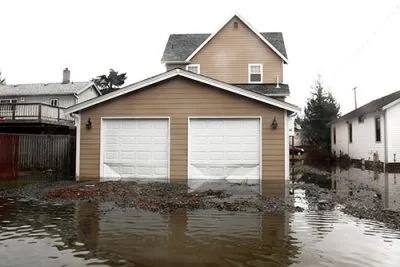
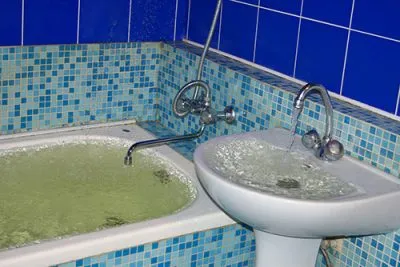
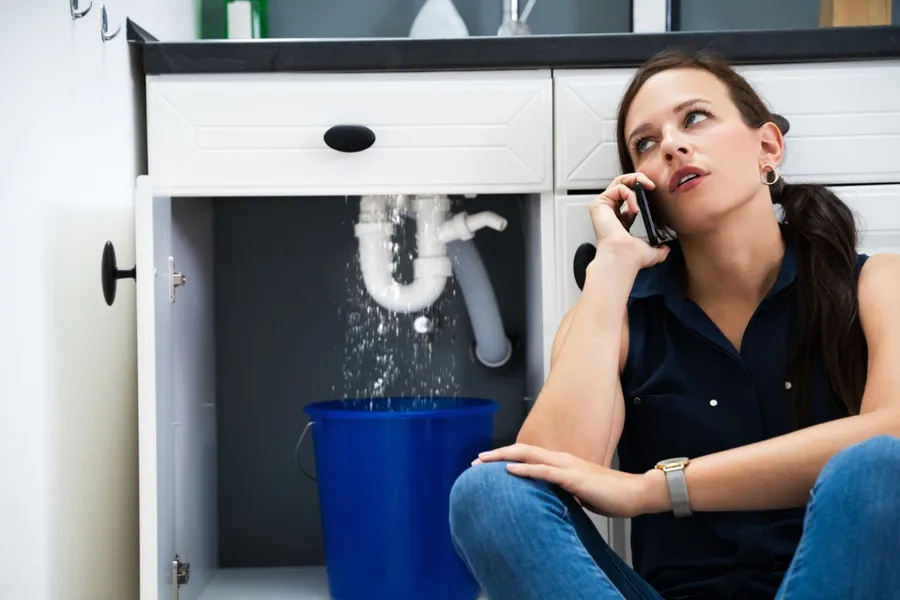
Water from a burst pipe, plumbing leak, flood, or sewage backup can spread through a
property quickly. Our sister company, PNW Restoration, provides emergency water
extraction, structural drying, cleanup, and restoration to help limit further
damage.
Water Removal and Restoration From One Experienced Team
Removing standing water is only the beginning. Moisture can remain inside walls,
beneath flooring, and within other building materials after the visible water is
gone.
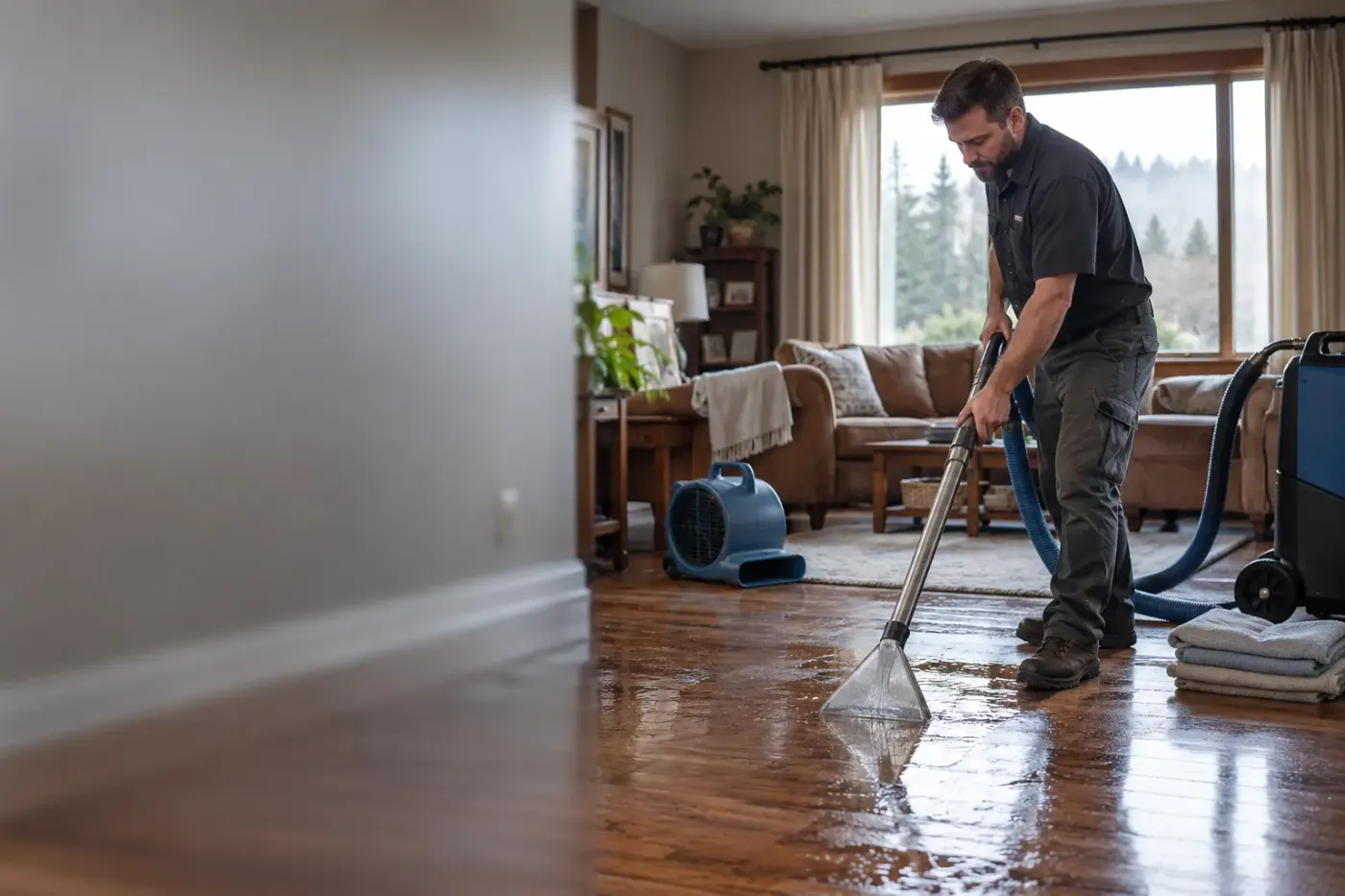
PNW’s IICRC-certified restoration professionals are available 24/7 to assess the
damage, extract standing water, dry affected materials, clean and sanitize the area,
and complete the restoration work included in the project scope.
The team responds to water damage in homes and businesses throughout the Portland
Metro Area.
PNW Restoration provides 24/7 emergency response with one-hour arrival in the
service area.
Addressing The Damage
How PNW Handles Different Water Damage Problems
Different water losses affect a property in different ways. The PNW team adjusts the
equipment, cleanup, drying, and restoration work according to where the water came
from, how far it traveled, and which materials were affected.
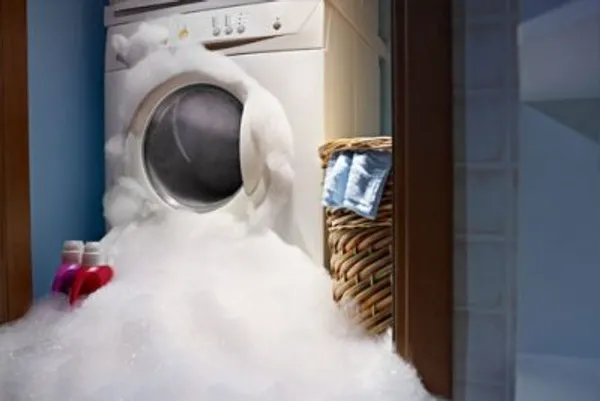
Appliance leaks and overflowsFlood and stormwater damageSink, tub, and drain overflows
01
Deteriorating Drywall
Water can weaken drywall, cause swelling, and make sections begin to crumble or separate. PNW technicians identify compromised areas, remove material that cannot be restored, and replace damaged drywall when included in the repair scope.
02
Hidden Moisture
Water can move beneath flooring, behind walls, and into building cavities. The team uses moisture-detection equipment to locate affected areas before professional extraction and drying to address the remaining moisture.
03
Basement Water
Water can collect across basement flooring, enter finished walls, and affect stored belongings. PNW Restoration extracts the standing water, evaluates damaged materials, and uses air movers and dehumidifiers to dry the affected area.
04
Ceiling Leak Damage
Water entering from above can spread through insulation, ceiling materials, walls, and flooring below. PNW technicians inspect how far the moisture has traveled, address damaged materials, and dry the ceiling and surrounding areas.
05
Flood Damage
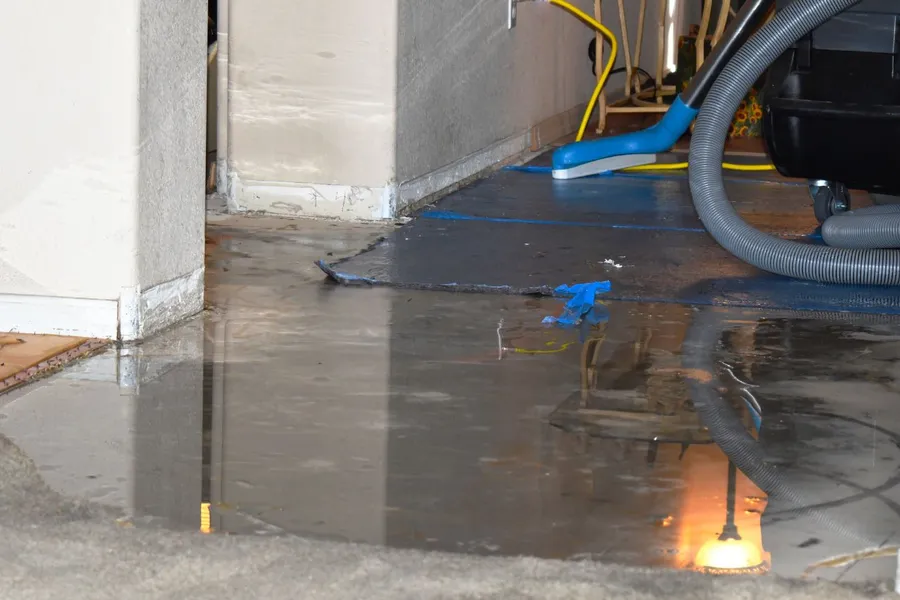
Flooding and stormwater can affect several rooms and building materials at once, requiring professional pumps, industrial-strength vacuums, cleaning, drying, and restoration of the affected areas.
06
Sewage Damage
Sewage backups may contain harmful contaminants and require specialized handling. This requires removal of contaminated water and damaged materials. Then the team cleans and sanitizes the affected area using appropriate antibacterial or antimicrobial treatments.
07
Mold and Mildew Risk
Wet materials can create conditions that support mold and mildew growth. The technicians dry, clean, and treat affected areas to help reduce the risk of continued contamination and additional property damage.
08
Structural and Surface Damage
Water can contribute to warping, wood deterioration, weakened building materials, rust, and corrosion. PNW Restoration evaluates the damage, completes the repairs included in the project, and protects exposed metal surfaces when needed.
Water damage can continue spreading after the visible water is gone. Call (503) 352-5209 for immediate help.
PNW Restoration starts each project by determining where the water came from, how
far it travelled, and which materials were affected. Those findings guide the
extraction, drying, cleanup, and restoration plan.
01
Inspect and Assess
The IICRC-certified restoration professionals identify the source and extent of the damage, inspect affected materials, and determine the equipment and restoration work needed.
02
Extract Standing Water
The team uses powerful pumps and industrial-strength vacuums when appropriate to remove standing water. Prompt extraction helps limit continued absorption, material deterioration, and additional damage.
03
Dry and Dehumidify
Moisture can remain in walls, flooring, framing, and other materials after extraction. The team uses industry-grade dehumidifiers, air-moving equipment, and specialized drying methods to address the remaining dampness.
04
Clean and Sanitize
PNW’s restoration team cleans and sanitizes affected areas using antibacterial or antimicrobial treatments when appropriate. They also evaluate impacted materials and belongings to determine what can be restored and what needs to be removed.
05
Repair and Restore
After drying and cleaning, the PNW team completes the repairs included in the approved restoration scope. When reconstruction is needed, they carry the project into the next phase, addressing damaged drywall, flooring, framing, and interior finishes included in the approved work.
Why Choose PNW
Why Choose PNW For Water Damage?
24/7 Response + 1 Hour Arrival
PNW Restoration responds to water-damage emergencies 24/7. For properties within the service area, the team arrives within one hour to inspect the damage and begin mitigation.
IICRC-Certified Professionals
The IICRC-certified restoration professionals evaluate the damage and carry out the extraction, drying, cleanup, and restoration plan using recognized industry practices.
36-Month Guarantee*
Covered restoration work includes a 36-month guarantee for added confidence after the project is complete.
Advanced Restoration Equipment
PNW Restoration uses moisture-detection tools, extraction equipment, air movers, and industrial dehumidifiers based on the conditions at the property.
Support Beyond Extraction
The work does not end when the standing water is gone. The team continues through structural drying, cleaning, sanitizing, repairs, and reconstruction when the approved scope requires it.
Clear Updates
PNW’s technicians explain what they find, the work underway, and what happens next. You receive updates as the project moves from mitigation through drying and restoration.
*Ask about guarantee coverage, eligibility, and applicable terms.
PNW’s 24/7 restoration team handles water damage for residential and commercial
properties throughout the Portland Metro Area.
Residential Water Damage Restoration
From leaking pipes and appliance failures to basement flooding and sewage backups, PNW Restoration provides water extraction, structural drying, cleanup, and restoration. The team works carefully to protect the home, affected materials, and personal belongings throughout the process.
Commercial Water Damage Restoration
Water damage can interrupt operations, affect tenants, and damage inventory or equipment. PNW provides commercial water extraction and restoration for offices, retail spaces, multifamily properties, industrial facilities, and other business locations.
Why is drying still necessary after the standing water is removed?
Extraction removes accessible water, but moisture can remain beneath flooring, behind walls, and inside other building materials. Air-moving and dehumidification equipment helps address the moisture that extraction alone cannot remove.
How can I tell whether water has spread beyond the visible area?
Water stains, swollen drywall, peeling paint, warped flooring, damp carpet, and musty odors can indicate a wider problem. Because hidden moisture is not always visible, the PNW Restoration team uses moisture-detection equipment during the assessment.
What should I do before the restoration team arrives?
If it is safe, stop the water source and move valuables away from the affected area. Keep people and pets away from standing water, avoid using electrical equipment in wet areas, and never use a household vacuum to extract water.
Does the water source change how the property is cleaned?
Yes. Water losses are commonly classified into three categories:
Category 1: Water from a relatively clean source, such as a broken supply line.
Category 2: Water containing contamination that could cause illness or discomfort.
Category 3: Heavily contaminated water from sources such as sewage backups, floodwater, or toilet overflows containing waste.
The category affects safety precautions, material removal, cleaning, and sanitizing decisions.
Can wet building materials and belongings be saved?
That depends on the water source, length of exposure, material condition, and whether the item can be cleaned and dried effectively. Some flooring, drywall, furniture, and contents may be restorable. Heavily damaged materials and items exposed to Category 3 water may require replacement.
Can I remain in the property during restoration?
Some properties can remain occupied while the work is underway. Temporary relocation may be necessary when the loss involves contaminated water, mold, significant structural damage, or essential living areas that cannot be used safely.
How long does water damage restoration take?
Extraction may take several hours. Drying, cleanup, and repairs often take approximately three to seven days, while widespread damage or reconstruction can extend the project timeline.
What determines the cost of water damage restoration?
Cost depends on the source and amount of water, the size of the affected area, the materials involved, required drying equipment, necessary removal, and repairs. PNW assesses the property before defining the restoration scope.
Can you help with an insurance-related water loss?
Yes. PNW Restoration can work with your insurance company and provide information about the restoration scope. Coverage, deductibles, and claim decisions remain subject to your policy and your insurer’s determination.
How quickly can mold become a concern?
Mold can begin developing within 24 to 48 hours when moisture and environmental conditions support growth. Prompt extraction and drying help reduce the conditions that allow it to spread.
Is reconstruction always necessary after water damage?
No. Some water losses only require extraction, drying, cleaning, and sanitizing. Reconstruction services may be needed when damaged drywall, flooring, insulation, cabinetry, framing, or interior finishes cannot be restored. PNW Restoration assesses the affected materials and explains any necessary repairs after mitigation is complete.
How can I reduce the risk of future water damage?
Inspect plumbing and appliance connections, maintain exterior drainage, repair leaks promptly, and consider installing water alarms or automatic shut-off devices in higher-risk areas.
Water Damage Needs a Fast First Call
Do not wait for standing water or hidden moisture to cause additional damage. Call
now for a 24/7 emergency response, or use the contact page for non-emergency
questions about the water source and affected areas.